Understanding the Concept of AI Slut in Art
As artificial intelligence (AI) continues to transform various industries, it is particularly revolutionizing the art world. The term AI Slut has emerged as a provocative label for AI-driven tools and platforms that allow artists to push their creative boundaries in unprecedented ways. By harnessing the capabilities of AI, artists can explore new forms of expression, generate unique artworks, and even collaborate with machines in their creative processes. In this article, we delve into the significance of AI Slut in the context of art, examining its historical roots, relevance in 2026, and the various ways artists can integrate this technology into their workflow.
What is AI Slut?
At its core, AI Slut refers to AI tools or platforms that empower artists by providing innovative ways to create and manipulate art. These tools leverage machine learning algorithms to assist in various stages of the creative process, from conceptualization to the final execution of artworks. The term itself, while controversial, highlights the idea of artists exploiting the capabilities of AI to enhance their creative output. Instead of replacing human creativity, AI Slut serves as a facilitator that enables artists to experiment and innovate.
Historical Context and Evolution of AI in Art
The journey of AI in art dates back to the mid-20th century when computer-generated art first surfaced. Early pioneers like Harold Cohen developed software that could create drawings autonomously, paving the way for future developments in generative art. Fast forward to the 21st century, and advances in deep learning and neural networks have transformed the landscape, leading to sophisticated AI systems that can analyze styles, generate original content, and even mimic the techniques of famous artists. This evolution has culminated in the concept of AI Slut, where artists embrace the technology and exploit its capabilities to enhance their work.
Why AI Slut is Relevant in 2026
As we look to 2026, the relevance of AI Slut becomes increasingly pronounced. The art community is witnessing a burgeoning demand for personalized and unique artworks, and AI tools provide artists with the means to meet these expectations. Additionally, as technology continues to advance, artists are expected to remain at the forefront of embracing these innovations. The intersection of creativity and technology is becoming so pervasive that understanding and utilizing AI tools is essential for any contemporary artist. For more insights on AI tools, exploring ai slut can be a valuable resource.
Identifying Your Creative Needs
Assessing Your Current Artistic Style
To effectively integrate AI Slut into your creative process, it is crucial first to understand your existing artistic style. Identifying the elements that define your work—be it color palettes, themes, or techniques—will help you determine how AI can complement your vision. Consider conducting a self-assessment or gathering feedback from peers to gain clarity on your artistic identity and pinpoint areas where AI tools might enhance your work.
Understanding Your Project Requirements
Next, clearly delineate your project requirements. Are you looking to create artwork for a specific event or personal project? Understanding the purpose behind your artistic endeavors will guide your choice of AI tools. Different AI platforms cater to various needs, so evaluating your goals—whether it's experimentation, efficiency, or collaboration—will streamline your creative process.
How AI Can Enhance Your Creative Process
AI can significantly enhance your creative process in several ways:
- Idea Generation: AI tools can analyze existing artworks and generate new concepts, providing a wellspring of inspiration.
- Style Transfer: With AI's capability to mimic styles, you can apply your influences to create unique artworks.
- Automation: Repetitive tasks can be automated, allowing you to spend more time focusing on creativity and less on tedious processes.
Evaluating AI Slut Options
Key Features to Look For
When evaluating AI Slut options, consider these key features:
- User-friendly Interface: The tool should be intuitive and accessible, even for those with limited technical knowledge.
- Customization Options: Look for platforms that allow you to tailor AI outputs to fit your unique style.
- Community and Support: A vibrant user community and robust support can help you maximize the tool's potential.
Comparing Different AI Slut Tools
With numerous AI tools on the market, comparing their functionalities is essential. Some popular options include:
- DALL-E: An AI that generates images from textual descriptions, ideal for brainstorming visual concepts.
- Runway ML: A creative suite that offers a wide range of machine learning tools for artists and designers.
- Artbreeder: A platform for blending images and generating new artworks collaboratively.
Each tool has its unique strengths, so consider experimenting with several to find the best fit for your artistic practice.
Cost vs. Value Analysis
When choosing an AI Slut tool, it's vital to conduct a cost vs. value analysis. Evaluate subscription models, one-time fees, and the potential return on investment in terms of enhanced creativity and productivity. Some platforms may offer free trials, allowing you to test their capabilities before committing financially.
Best Practices for Integrating AI Slut into Your Workflow
Setting Up Your Creative Workspace
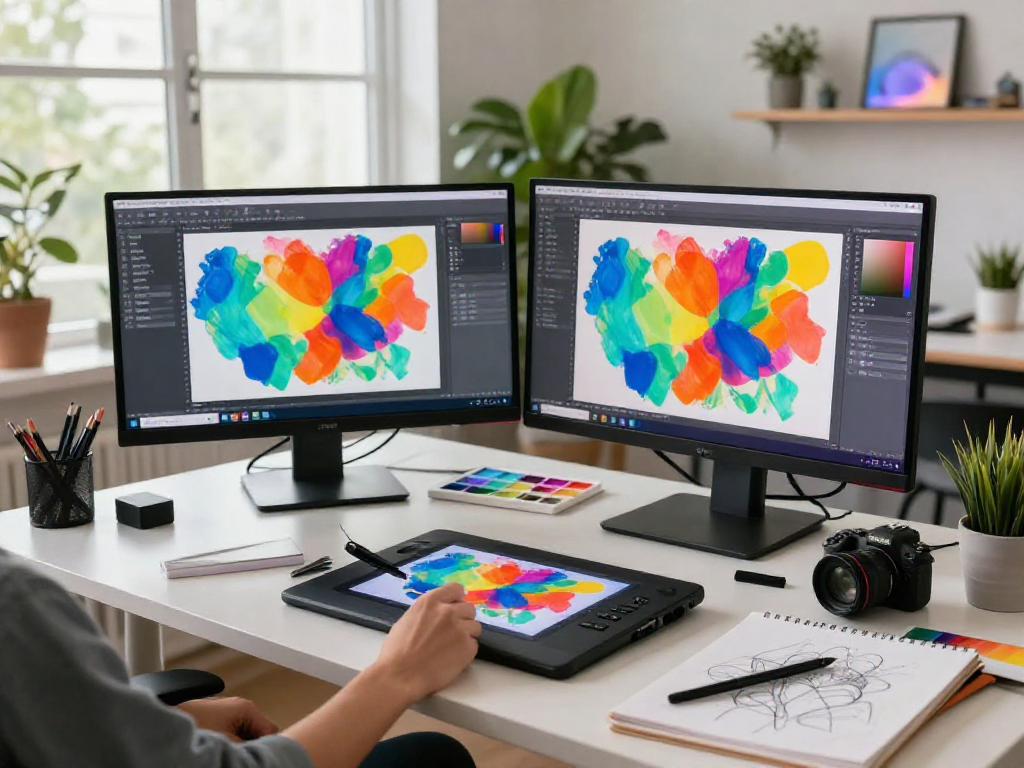
Creating an optimized workspace is essential for effectively integrating AI into your artistic process. Ensure that your environment is equipped with the necessary technology, including a reliable internet connection, suitable hardware, and the software required for your chosen AI tools. A well-organized and comfortable workspace can significantly enhance your focus and creativity.
Tips for Collaboration with AI Tools
Consider these collaborative strategies when working with AI tools:
- Experiment Regularly: Push the boundaries of your creativity by trying different functions and features of the AI tool.
- Iterate on Outputs: Use AI-generated content as a starting point, refining and modifying it to align with your vision.
- Document Your Process: Keep track of your interactions with AI to identify what works best and how you can improve your workflow.
Ethical Considerations in AI Art Creation
As AI becomes more prevalent in art creation, ethical considerations must also be addressed. Issues surrounding copyright, authenticity, and the implications of using AI-generated work need careful attention. Artists should be transparent about their use of AI and consider the impact their work may have on the broader art community.
Future Trends in AI Art Creation
Predictions for AI Slut Development by 2026
Looking ahead to 2026, several trends are poised to shape the future of AI in art:
- Increased Personalization: AI tools will become more sophisticated in understanding individual artist styles, leading to highly tailored outputs.
- AI as a Co-Creator: The concept of collaborative creation between artists and AI will become more accepted and integrated into the artistic process.
- Broader Accessibility: As technology advances, more affordable and user-friendly AI tools will emerge, democratizing access to these powerful resources.
Emerging Technologies Impacting AI Art
Technologies such as augmented reality (AR), virtual reality (VR), and blockchain are expected to impact AI art significantly. AR and VR can create immersive environments for art experiences, while blockchain technology may provide new avenues for ownership and provenance in digital art.
How to Stay Ahead in the AI Art Scene
To remain competitive in the evolving landscape of AI art, artists should prioritize continuous learning. Engage with online communities, attend workshops, and keep abreast of the latest tools and techniques. Embracing a mindset of adaptability will allow you to harness the full potential of AI in your artistic journey.
What are the Benefits of Using AI Slut?
The benefits of using AI Slut in your creative practice are manifold. For one, these tools can drastically reduce the time spent on tedious tasks, allowing artists to focus on the more imaginative aspects of their work. Additionally, AI can serve as a source of inspiration, pushing artists to explore styles and concepts they might not have considered otherwise. Ultimately, AI tools can facilitate collaboration, offering a new dimension to the artistic process.
How do I integrate AI Slut into my existing workflow?
Integrating AI Slut into your existing workflow involves a few steps:
- Evaluate Your Goals: Identify what you want to achieve with AI integration.
- Choose the Right Tools: Select AI tools that align with your artistic objectives and style.
- Experiment and Adapt: Be open to experimentation; adapt your workflow as you discover the capabilities of the AI tool.
What are the best AI tools for artists in 2026?
While the AI art landscape is ever-changing, some of the best AI tools for artists in 2026 are likely to include:
- DeepArt: Known for its style transfer capabilities, enabling users to mimic various artistic styles.
- NightCafe Studio: A platform for generating art from textual prompts, perfect for idea generation.
- Adobe Sensei: Integrating AI into Adobe's suite, it offers tools that enhance creative processes across various software.
Are there ethical concerns when using AI in art?
Yes, ethical concerns surrounding AI in art primarily revolve around copyright issues, authenticity, and the potential for impersonation. It is crucial for artists to navigate these concerns with diligence, ensuring they respect the rights of other creators and maintain transparency with their audiences.
How can I evaluate the effectiveness of AI tools in my creative projects?
To assess the effectiveness of AI tools in your creative projects, consider the following:
- Feedback and Reflection: Gather feedback from peers and reflect on how AI outputs align with your artistic vision.
- Productivity Metrics: Analyze if AI tools enhance your efficiency in completing projects.
- Personal Satisfaction: Finally, consider your own satisfaction with the final artworks produced using AI tools.